 Image 1 of 5
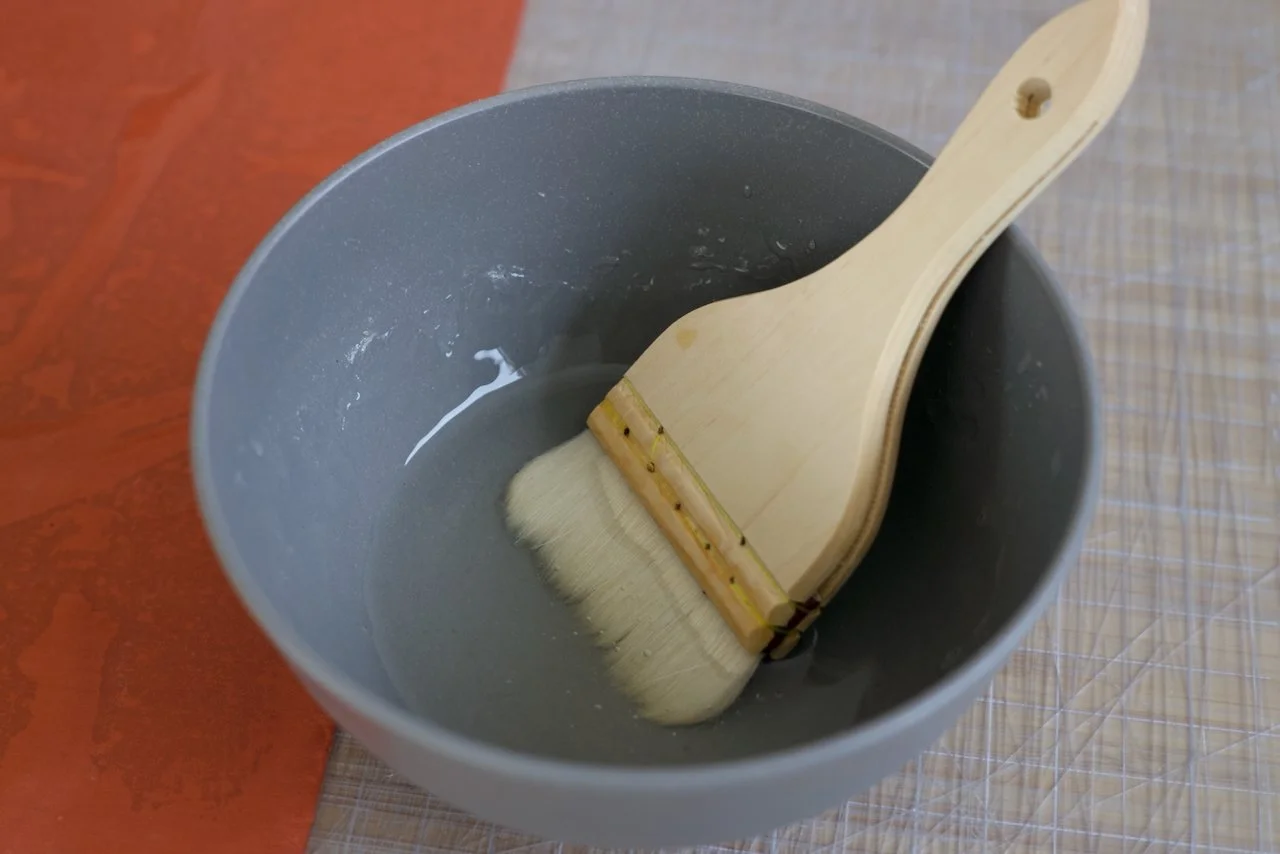 Image 2 of 5
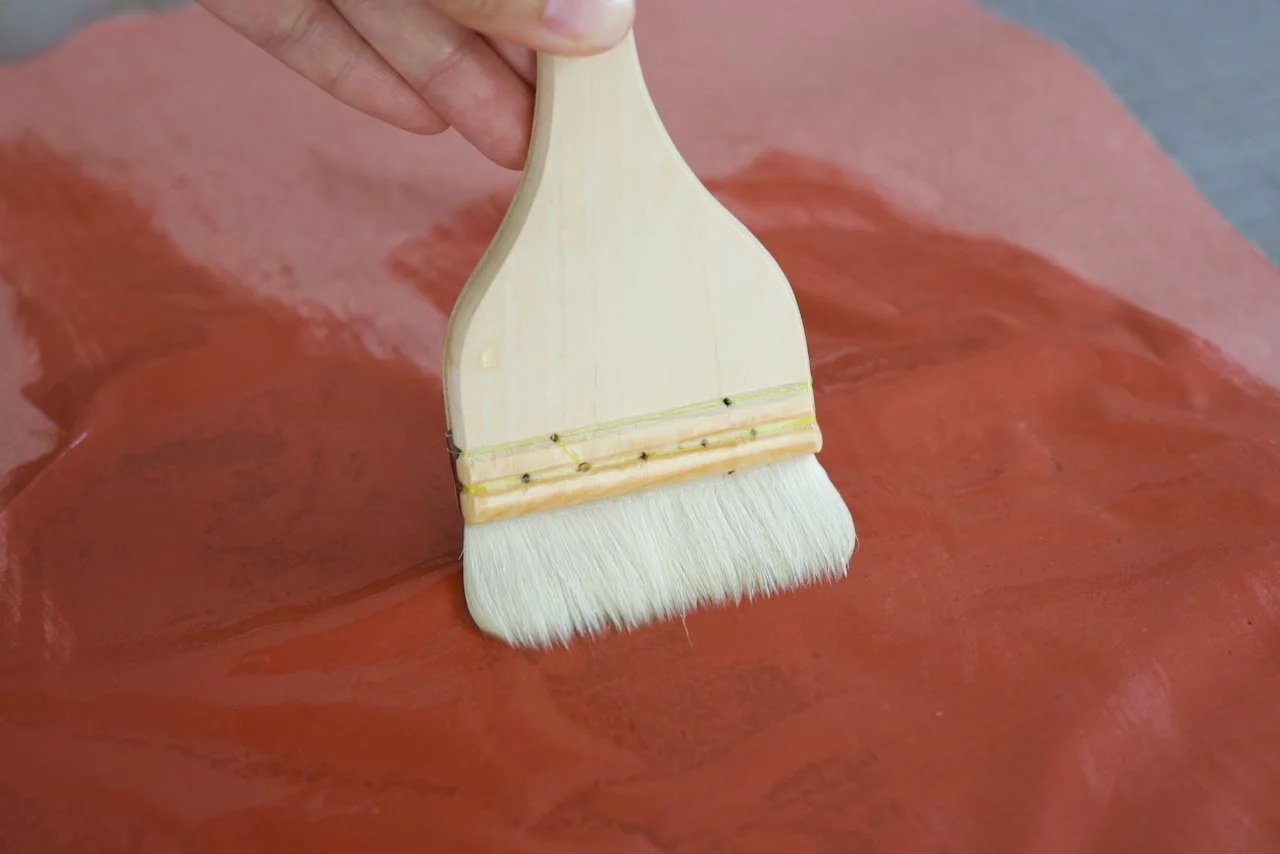 Image 3 of 5
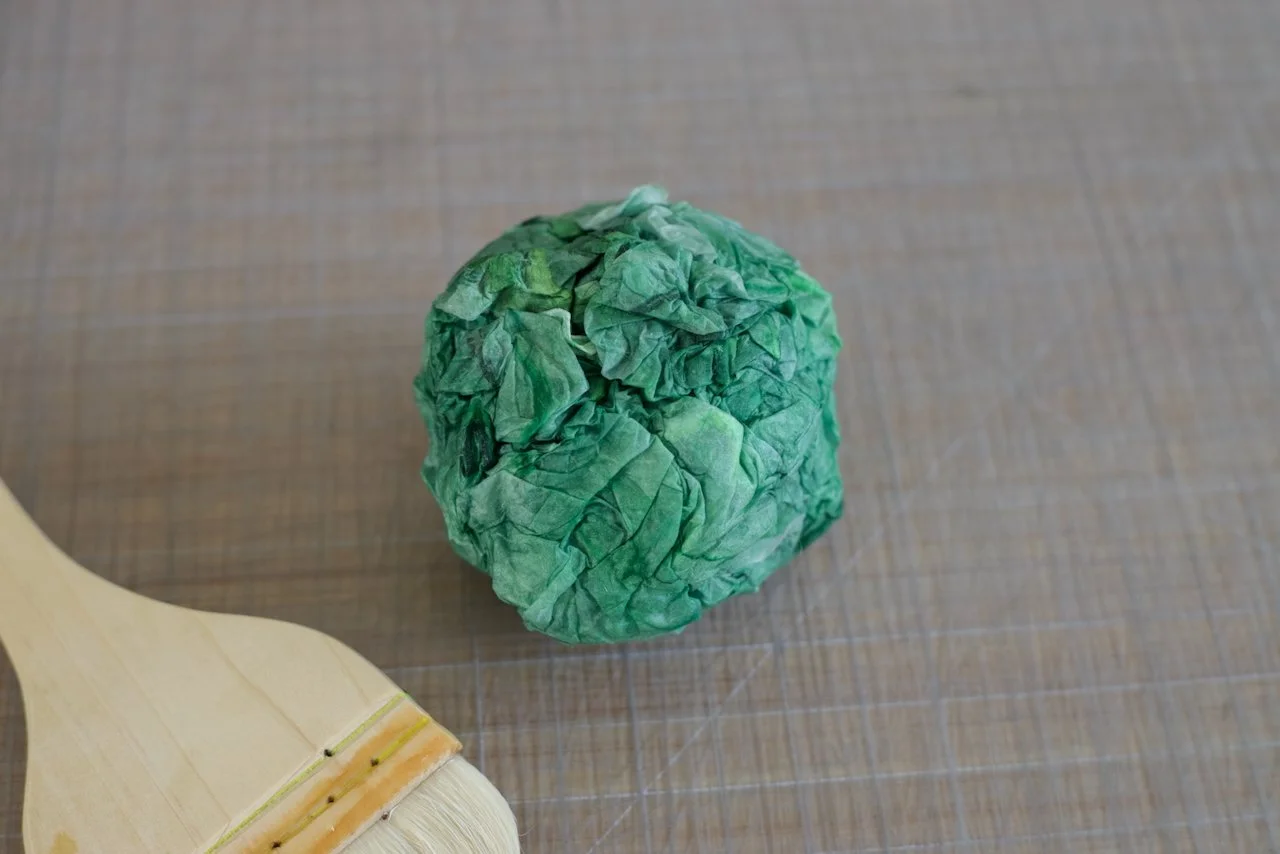 Image 4 of 5
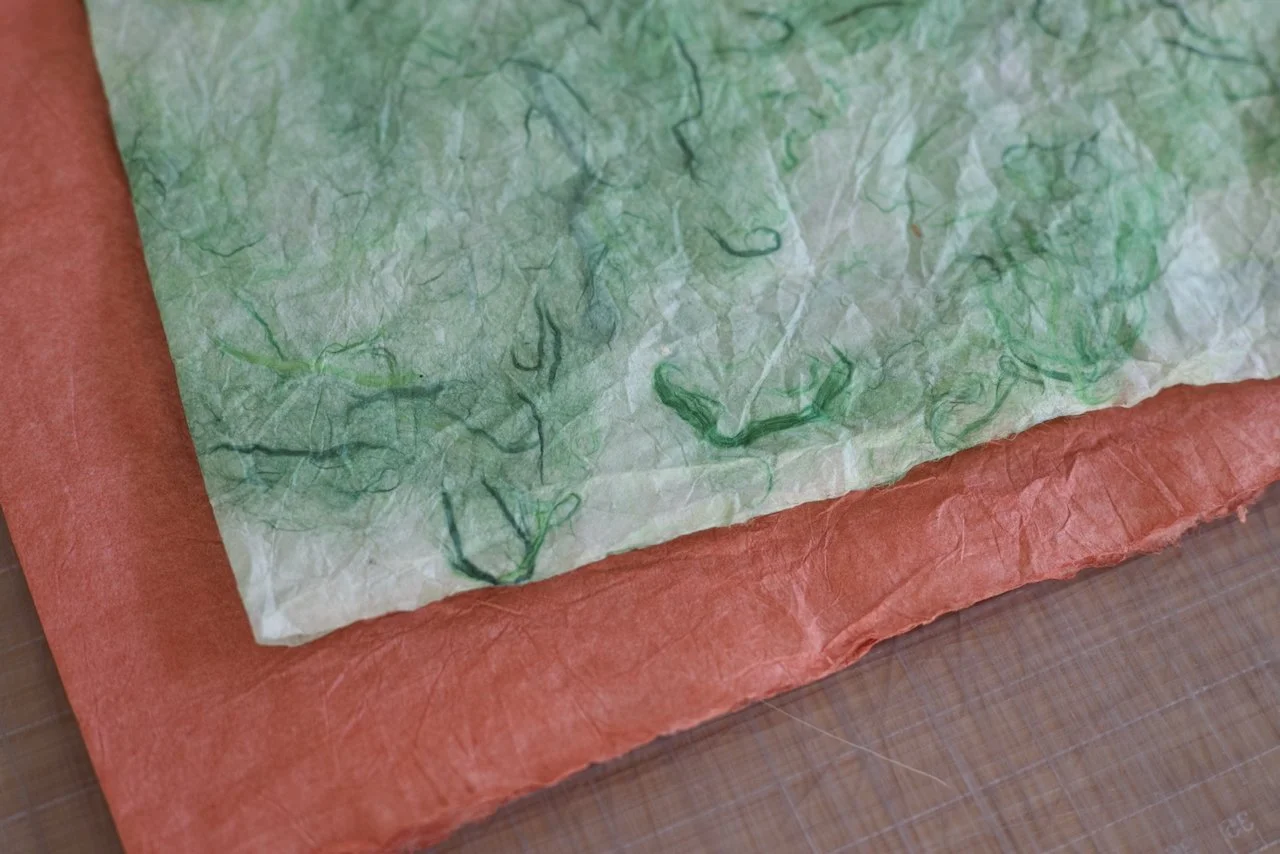 Image 5 of 5
Recipe
Recipes for different powder to water ratios exist, and all of them work, so it should be noted that it's unlikely you can go completely wrong. Because prepared konnyaku paste can only be kept for a limited time (approx. 1 week refrigerated) it's best to prepare smaller amounts. We use 1/2 teaspoon konnyaku powder to 1 cup water. The amount of washi you can coat depends on the weight of the paper (heavier paper takes up more konnyaku) but on average you should be able to coat 4 sheets (24 x 36") that are around 30g in weight with this recipe. For a smaller amount of paper you might begin with 1/4 tsp powder and 1/2 cup water. Dry powder can be kept indefinitely.
Materials
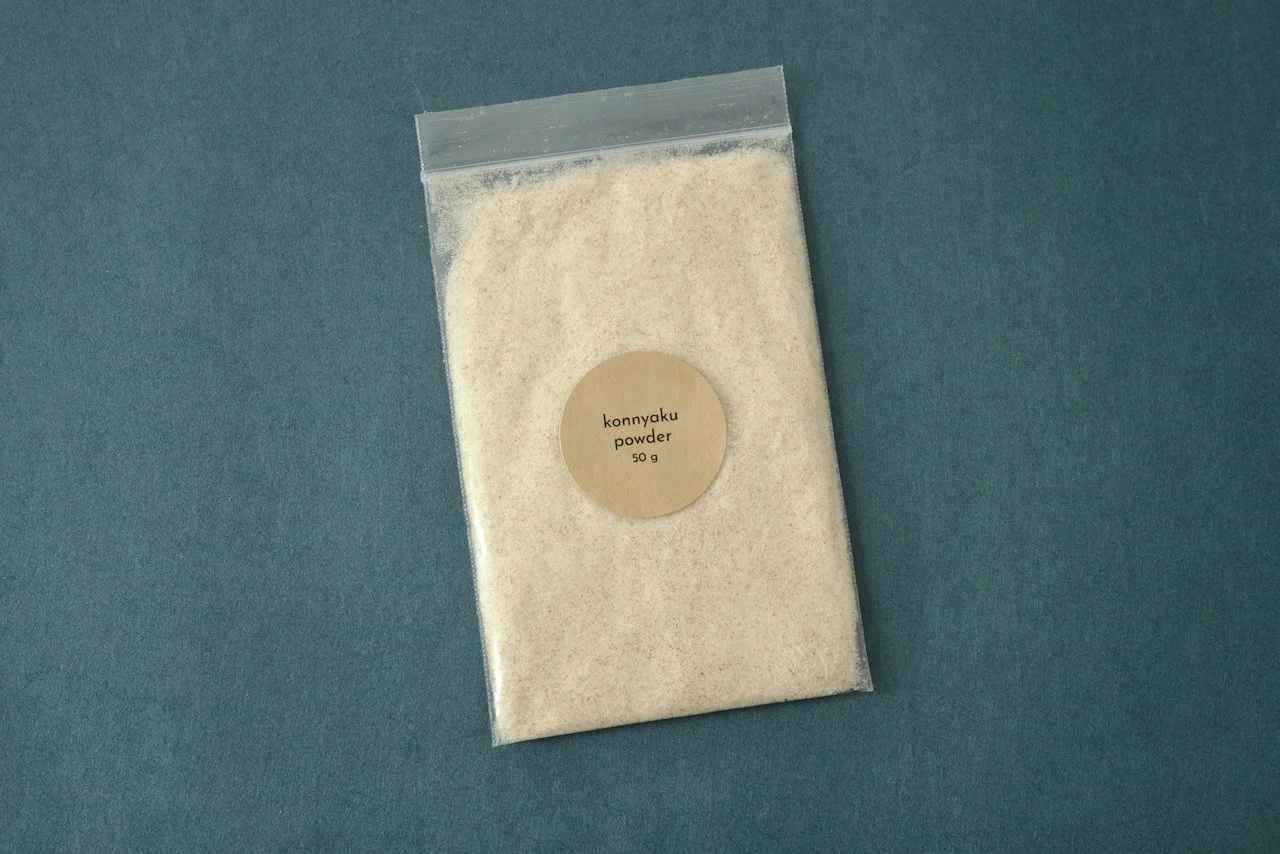
• konnyaku powder
• water
• measuring cup & spoons
• stirring spoon or stick
• wide brush (2" or wider) with moderately springy bristles
• smooth, washable work surface, or table cover
• washi (kozo is best)
Starch Preparation & Application
Sprinkle 1/2 teaspoon of konnyaku powder into 1 cup room temperature water. Stir constantly for approximately 20-30 minutes to prevent lumps from forming. After the mixture begins to thicken, stir it periodically, every 15 minutes or so, until it is quite thick. At this point, it’s good to let it sit for a while. It’s ready to be used when the particles are completely dissolved and the solution is thick and smooth: this can take 3-5 hours. If you mix your konnyaku in a mason-type jar with a tight-fitting lid, you can shake the solution after the initial 20-30 minutes of stirring.
The konnyaku paste may be diluted by adding water, small amounts at a time. Do this especially if the paper being treated is delicate. Experimentation will tell you how much to thin the solution.
Using your brush, apply the prepared konnyaku to both sides of the paper. If the paper is thin – 25g or less – you may only need to coat one side of the sheet as the konnyaku paste will soak through. Avoid building a heavy sticky coating: better to apply more than one thin coat, drying in between applications. While the paper is still damp, but no longer sticky, crumple the sheet into a loose ball and squeeze it gently. Open it up and stretch it out, laying it flat or drape over a drying rack to dry. Be careful not to stretch out all the crumpling – this is what gives the paper malleability.
If using konnyaku paste to pretreat paper for dyeing, it may be diluted, and the crumpling omitted. The paper may also be crumpled once it has dried; this is especially useful when coating thinner papers that may be too delicate when wet.
Instructions provided by The Japanese Paper Place.